Choosing the right DC Brushless Motor is pivotal for various applications. According to a recent analysis by ResearchAndMarkets.com, the global brushless motor market is projected to reach $10 billion by 2025. This rapid growth is driven by advancements in automation and robotics. Understanding the specific requirements of your project is essential.
DC Brushless Motors stand out due to their efficiency and longevity. These motors offer higher efficiency than traditional brushed motors, often exceeding 90%. However, selecting the appropriate motor involves more than examining numbers. It requires a clear understanding of torque, speed, and control requirements. Users sometimes overlook compatibility issues with existing systems, leading to inefficiencies.
Moreover, the rising trend toward electric vehicles underscores the importance of these motors. With automotive sector growth, the demand for reliable, efficient motors is greater than ever. Yet, many consumers still find it challenging to navigate the technical specifications. Therefore, detailed research and expert insights are crucial for making informed decisions. By considering all factors carefully, you can find the perfect DC Brushless Motor tailored to your needs.
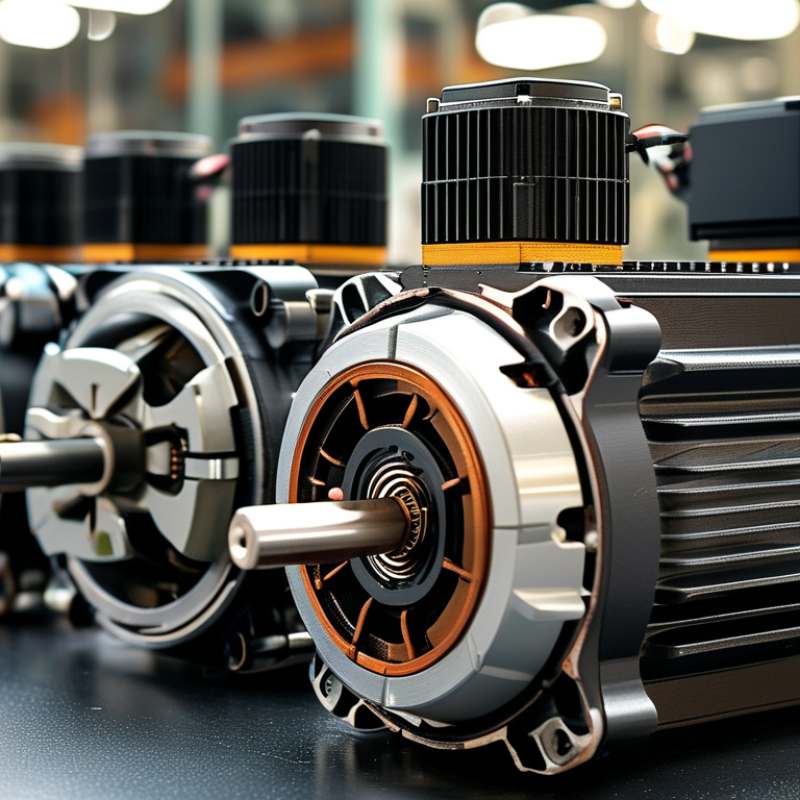
Understanding the Basics of DC Brushless Motors and Their Applications
DC brushless motors are increasingly popular in various industries. They offer efficiency and reliability, making them ideal for many applications. According to a recent industry report, the global DC brushless motor market is projected to grow by 10% annually until 2026. This growth is driven by advancements in technology and increased demand for automation.
These motors have unique characteristics. They generate less heat than brushed motors, which enhances their lifespan. For example, they can last up to 30,000 hours under normal conditions. In contrast, traditional brushed motors typically last only about 2,000 hours. This longevity can result in significant cost savings for businesses. Data suggest that using more efficient motors can lead to savings of up to 30% in energy consumption.
However, selecting the right DC brushless motor can be challenging. Many factors need consideration, such as torque, voltage, and speed. These specifications must align with your specific application needs. A mismatch can lead to inadequate performance or system failures. Understanding these fundamentals is essential for making informed decisions.
Key Factors to Consider When Selecting a DC Brushless Motor
When selecting a DC brushless motor, several key factors should guide your decision. First, consider the required torque and speed. Different applications demand varying levels of torque and RPM. A motor suited for an electric bike differs significantly from one designed for a computer cooling fan. Knowing your specific application helps narrow down options.
Another important aspect is efficiency. Brushless motors typically offer high efficiency, but not all are created equal. Understanding the power consumption and heat generation of a motor can help predict performance in real-world scenarios. Poor efficiency can lead to additional cooling requirements or decreased battery life in portable applications.
Finally, size and weight matter. Compact designs may be necessary for limited spaces. However, smaller motors might not deliver the power needed. The trade-off between size and performance can be challenging. Test various options if possible. The ideal choice often requires careful consideration and a bit of trial and error.
Choosing the Right DC Brushless Motor: Key Factors
Assessing Power Requirements and Performance Specifications
When assessing power requirements for DC brushless motors, it’s crucial to know your application. Determine the torque and speed needed for your setup. This helps in selecting a motor that matches your load demands. For example, robotics and automation might require higher torque at lower speeds, while drones often need high RPM.
Another factor to consider is the power supply. Ensure your voltage and current ratings align with the motor specifications. Mismatches can lead to performance issues. Sometimes, users overlook this detail, which can cause inefficiencies or even motor failure.
Performance specifications also include efficiency and thermal ratings. High efficiency means less heat generation, which extends motor life. However, achieving ideal efficiency might require meticulous tuning and adjustments. Not all applications benefit from maximum efficiency; sometimes, a slight trade-off is necessary for reliability and durability. Be prepared to reassess your choices based on real-world testing and feedback.
Evaluating Size, Weight, and Form Factor for Your Project
When selecting the right DC brushless motor, considering size, weight, and form factor is crucial for project success. A report by the International Journal of Engineering and Advanced Technology states that compact motors with a lower weight improve efficiency and reduce energy consumption by up to 30%. Smaller motors can easily fit into tight spaces, making them ideal for portable devices or compact machinery.
Form factor affects how the motor integrates with the surrounding components. Motors come in various shapes, such as cylindrical or flat designs, each offering unique advantages. For instance, cylindrical motors may provide higher torque, while flat motors could be better suited for low-profile applications. Understanding the spatial constraints and weight requirements can significantly influence the type of motor chosen for your design.
It’s important to recognize that no single size or weight specification fits all applications. Overestimating required specifications can lead to unnecessary costs and bulk. On the other hand, underestimating can lead to failures in performance. Comprehensive planning, including thorough testing, is essential to ensure that the selected motor aligns with your project's demands.
Comparing Cost and Availability of Different DC Brushless Motor Options
When selecting a DC brushless motor, cost and availability are crucial factors.
High-quality motors can vary significantly in price.
Budget-friendly options
may not provide the longevity or performance equated with higher-end products. This price difference often reflects the materials and technology used in manufacturing.
Comparing multiple suppliers can reveal significant variations in pricing structures.
Availability is another key aspect. Some motors are widely stocked, while others are niche products with limited distribution.
Understanding the supply chain can help in making informed decisions.
If a preferred motor is not readily available, it can delay projects. This can create challenges in production timelines, especially for time-sensitive applications.
Potential customers must weigh the trade-offs between cost and the reliability of available options.
Additionally, it’s essential to evaluate the supplier's reputation. Choosing a reputable supplier ensures access to quality products that meet specifications.
However, not all vendors are reliable. Some may offer low prices but lack the necessary support.
Researching customer reviews can provide insights but is not foolproof.
It is always wise to have contingency plans if the chosen motor turns out subpar or if supply issues arise.
FAQS
: Know your application’s torque and speed needs to select an appropriate motor.
Mismatches can cause performance issues or even motor failure. This detail is sometimes overlooked.
Efficiency and thermal ratings are key. High efficiency reduces heat and extends motor life.
Not necessarily. Sometimes, a slight trade-off is needed for reliability and durability.
High-quality motors can be expensive, reflecting better materials and technology.
Limited stock of preferred motors can delay production, especially for time-sensitive projects.
Yes, a reputable supplier is essential for quality assurance and support.
Researching reviews helps, but it’s wise to have contingency plans for potential supply issues.
They may lack performance or longevity compared to higher-end options, so weigh your needs carefully.
Regular reassessment based on real-world testing and feedback is crucial for optimal performance.
Conclusion
When selecting the right DC Brushless Motor for your needs, it's essential to understand the fundamental principles and applications of these motors. Key factors to consider include the specific power requirements and performance specifications necessary for your project, as well as important physical characteristics like size, weight, and form factor. These considerations will help ensure that the chosen motor meets the demands of your application while providing optimal efficiency.
Additionally, comparing the cost and availability of different DC Brushless Motor options is crucial for making a financially sound decision. By thoroughly assessing these elements, you can effectively narrow down your choices and select a motor that aligns perfectly with your project requirements, ultimately enhancing performance and reliability.
 Precision Micros
