Precision Micros
Choosing the right single phase motors for your needs can be a daunting task. With varying specifications and applications, it’s crucial to understand what suits your project best. Single phase motors are widely used in residential and commercial settings due to their reliability and ease of use. They power various appliances, from fans to pumps.
When selecting single phase motors, consider key factors like power rating, speed, and efficiency. Each application may require specific characteristics. For instance, if you're powering a washing machine, you'll need a motor with high starting torque. Evaluate the environment too; motors used outdoors may need additional protection against moisture or dust.
Understanding your needs is important. Sometimes, users underestimate the significance of correctly sizing a motor. An oversized motor may lead to higher energy costs and inefficient operation. Smaller motors might struggle under heavy loads. Assess your requirements carefully to avoid potential issues down the line. Taking the time to choose wisely will ensure optimal performance and longevity for your equipment.
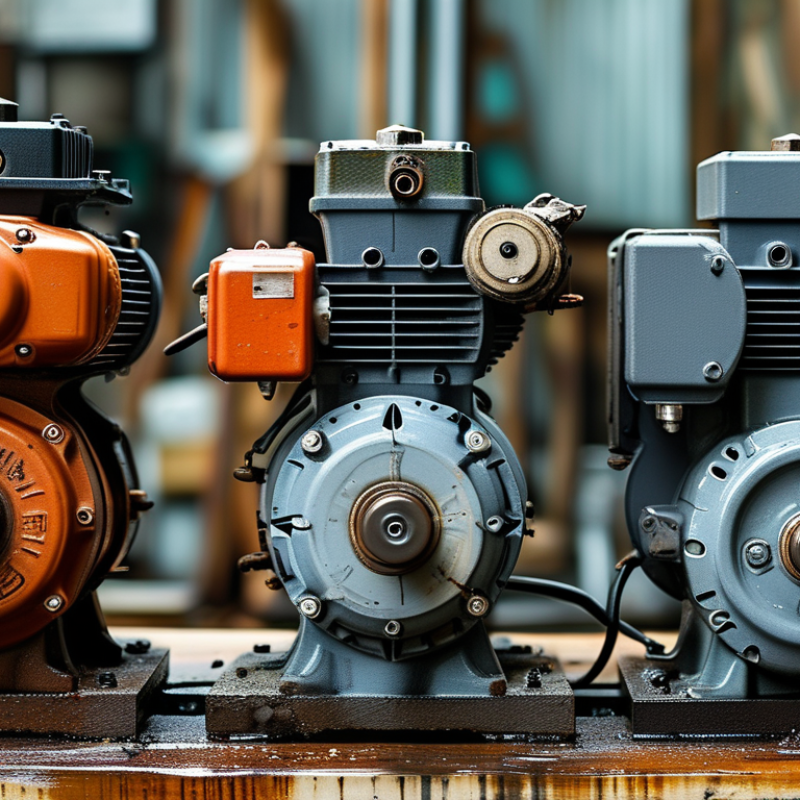
When choosing single phase motors, understanding their applications is key. Single phase motors are commonly used in household appliances, HVAC systems, and small machinery. According to industry reports, the global single phase motor market is projected to grow at a CAGR of 5.2% from 2021 to 2026. This growth highlights their importance in various sectors, especially in low-power applications.
In terms of types, capacitor-start and shaded-pole motors are popular choices. Each type has its unique advantages. Capacitor-start motors offer high starting torque. Meanwhile, shaded-pole motors are cost-effective and simple to use. It's essential to assess the specific requirements of your application, such as required torque and speed.
Consider these factors before making a decision. Analyze the motor’s efficiency. Industry standards suggest aiming for motors with an efficiency rating above 85%. Check the operating environment, including temperature and humidity. This impacts motor performance. Keep in mind, oversizing a motor can lead to inefficiencies. Proper sizing improves performance and can save costs in energy consumption.
Choosing the right single phase motor involves understanding specific factors tailored to your needs. Start with the motor's power rating. Determine the required horsepower or wattage based on your application. A motor that is too weak will struggle, while an oversized motor can waste energy. Strike a balance here.
Next, consider the starting method. Different motors offer varying startup characteristics, such as capacitor-start or split-phase. Each method impacts performance and efficiency. Think about how frequently the motor will start and stop. Frequent starts may necessitate a motor designed to handle such conditions.
Additionally, evaluate the environment where the motor will operate. Factors like temperature, humidity, and exposure to dust can influence motor longevity and performance. It is essential to select a motor rated for your specific environmental conditions. Reflecting on these aspects can guide you towards a motor that not only meets your needs but also grows with your applications.
Choosing the right single-phase motor requires careful consideration of motor specifications. Voltage is a critical factor. Most residential and commercial motors operate at 120V or 240V. A report by the Electric Power Research Institute suggests that over 50% of single-phase motors are used in applications requiring 230V. Before selecting, check your power supply to avoid voltage mismatches.
Horsepower is another vital specification. The required horsepower depends on the specific application. According to the National Electrical Manufacturers Association, a motor's efficiency can significantly affect performance. For instance, a motor running at ¾ horsepower operates most effectively in light-duty applications, like fans or small pumps. Using a motor with excessive horsepower can lead to energy waste and costs.
Speed considerations are also significant. Motors typically operate at 1,750 RPM for standard applications. However, some tasks demand different speeds. For example, a slower motor may be more suitable for conveying systems. It’s essential to match the motor speed with the application needs. Be mindful of the potential for overheating if a motor runs continuously at a higher speed than required. This can lead to premature failure and increased maintenance costs. Understanding these specifications is crucial for optimal performance and reliability.
Efficiency ratings in single phase motors are critical for proper selection and operational success. Understanding these ratings helps users identify how much energy a motor consumes while delivering the required power. Higher efficiency can lead to significant cost savings over time. For example, a motor that operates at 90% efficiency wastes only 10% of input energy, making it a more economical choice for long-term use.
Selecting a motor based solely on initial cost can be misleading. While a lower-priced motor may seem like a good deal, its long-term energy consumption could negate any savings made upfront. Consider the operating environment as well; motors operating in high temperatures or continuous duty cycles require higher efficiency to avoid overheating and prolonged wear. The finer details of a motor's efficiency rating can also depend on its load conditions.
Choosing the right efficiency can feel overwhelming. It's essential to read the specifications carefully. Not all manufacturers clearly present efficiency ratings. Moreover, standards may vary, making comparisons challenging. Seek professional guidance if needed. Engaging with an expert can clarify intricate details and ensure that you make an informed decision, reflecting your specific operational needs.
Choosing the right single phase motor is crucial for your applications. However, many make avoidable mistakes. One common error is underestimating torque requirements. Matching the motor's torque with the application demand is vital. Inadequate torque leads to inefficiency and can damage the motor over time.
Another frequent mistake is ignoring power supply compatibility. Ensure the motor matches your voltage and frequency specifications. Misalignment can lead to poor performance and overheating. Performing detailed checks on your power supply will save you from future headaches.
Consider the environmental conditions as well. Motors should be suitable for their operating conditions like temperature and humidity. A motor not rated for such conditions can fail prematurely, costing you more in repairs. Reflecting on these details will greatly enhance your selection process. A thorough approach allows you to choose wisely, avoiding common pitfalls.
: Single phase motors are used in household appliances, HVAC systems, and small machinery.
Look for motors with an efficiency rating above 85%. Higher efficiency can save on energy costs.
Determine the required horsepower or wattage. A weak motor struggles, while an oversized motor wastes energy.
There are capacitor-start and split-phase methods. Each affects performance and efficiency differently.
Consider factors like temperature, humidity, and dust exposure. These can impact longevity and functionality.
Motors usually run at 1,750 RPM. Incorrect speeds could lead to overheating and increased maintenance costs.
Oversizing can lead to inefficiencies and higher energy consumption. Proper sizing improves performance.
A motor that frequently starts may need a design that handles such conditions for durability.
Most residential motors operate at 120V or 240V. Ensure to check your power supply beforehand.
Reflecting helps guide you to choose a motor that meets your needs and adapts over time.
When choosing the right single phase motors for your needs, it's essential to understand their applications and characteristics. Single phase motors are widely used in household appliances, fans, and small machinery, so knowing where and how you plan to use them is crucial. Key factors to consider include the motor's specifications such as voltage, horsepower, and speed, as these will affect performance and compatibility with your existing systems.
Efficiency ratings are also an important consideration, as they can influence operating costs and long-term sustainability. Avoiding common mistakes, such as overlooking the required specifications or misjudging the application, will ensure a better selection process. By taking these elements into account, you can make a well-informed decision when selecting single phase motors that meet your specific requirements.
