The world of industrial automation relies heavily on the DC Gear Motor. These motors are essential for numerous applications, providing efficiency and reliability. Industry expert, Dr. Joseph Marks, emphasizes their importance, stating, “DC Gear Motors have redefined performance standards in machinery.”
In recent years, advancements in technology have pushed these motors to new heights. Their ability to deliver high torque at low speeds makes them ideal for various tasks. Many industries utilize DC Gear Motors in robotics, conveyor systems, and automotive applications. The precise control they offer can significantly enhance operational efficiency.
However, challenges remain. Selecting the right DC Gear Motor for specific applications requires careful consideration. Factors like load requirements, speed, and environmental conditions must all be evaluated. A common oversight is underestimating the importance of proper integration, which can affect overall system performance. Recognizing these nuances is crucial for maximizing the benefits of DC Gear Motors in any industrial setting.
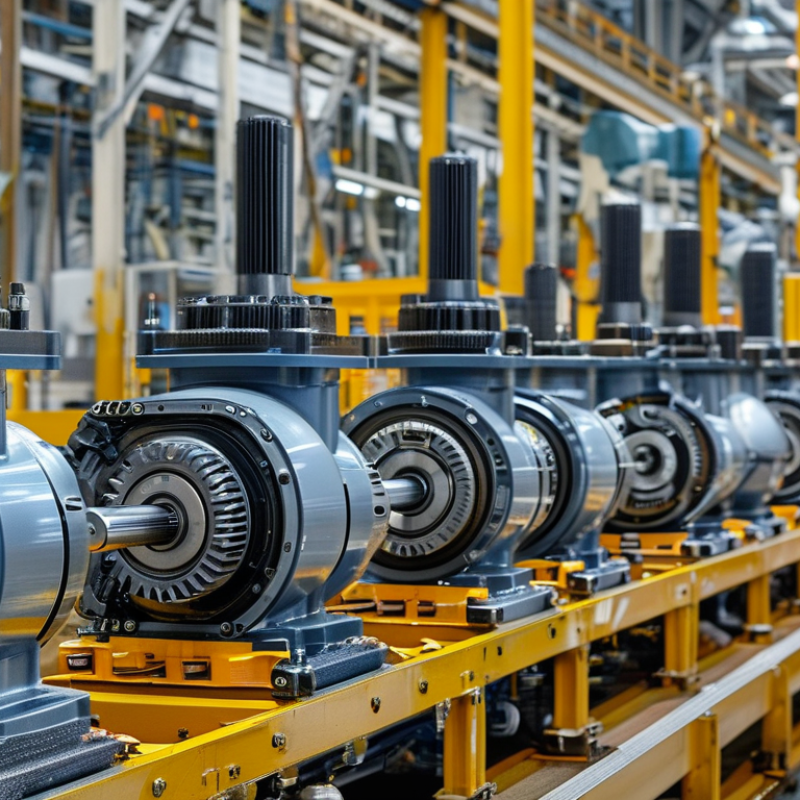
Understanding DC Gear Motors and Their Importance in Industry
DC gear motors play a critical role in industrial applications, offering efficiency and precision. Their design integrates a direct current (DC) motor with a gear system, which allows for reduced speed and increased torque. According to a report by the Global Market Insights, the DC gear motor market is projected to reach $7 billion by 2026, indicating a robust demand across various sectors.
In manufacturing, accuracy is essential. DC gear motors provide consistent performance, making them suitable for conveyor systems, robotics, and automated machinery. Their ability to control speed and torque directly influences productivity. A study published by the International Journal of Advanced Manufacturing Technology highlights that using DC gear motors can improve energy efficiency by up to 30%, translating to significant cost savings.
However, challenges exist in selecting the right gear motor. Variability in loads, operating environments, and thermal management can affect performance. It's vital for engineers to analyze specific application requirements thoroughly. Overlooking these factors may lead to inefficient motor operation and costly downtimes. In a constantly evolving industry, staying updated with advancements and trends in DC gear motor technology is essential for maintaining competitive advantage.
Top DC Gear Motors for Efficient Industrial Applications
This bar chart illustrates the torque ratings of the top DC gear motors suitable for various industrial applications. Understanding the torque capabilities of these motors is crucial for selecting the right motor for specific needs, ensuring efficiency and reliability in industrial environments.
Key Features to Consider When Selecting DC Gear Motors
When selecting DC gear motors for industrial applications, several key features are essential. First, consider the torque rating. A motor's torque defines its performance in demanding tasks. According to industry reports, an optimal torque rating can enhance operational efficiency by up to 30%. This is critical for applications that require consistent power under load.
Another important feature is the gear ratio. A higher gear ratio can provide increased torque but may reduce speed. Striking the right balance is crucial. Studies indicate that a suitable gear ratio can lead to energy savings of approximately 25%, making it a vital factor in cost-effective design.
In addition, the motor’s efficiency plays a significant role. High-efficiency motors not only consume less energy but also have a longer lifespan. Reports show that using efficient gear motors can lower downtime by nearly 15%. Assessing heat dissipation methods is also crucial, as overheating can lead to motor failure. It is vital to reflect on these factors, ensuring that the selection process considers both performance needs and long-term reliability.
Top Recommended DC Gear Motor Brands for Industrial Use
When selecting a DC gear motor for industrial applications, reliability and efficiency are key factors. The right motor can significantly enhance operational performance. According to a recent industry report, the global DC gear motor market is expected to grow at a CAGR of 5.2% from 2022 to 2028. This growth underscores the demand generated by various sectors, including manufacturing and automation.
Several brands excel in providing DC gear motors tailored for industrial use. These brands often emphasize durability, offering products that can withstand harsh environments. For example, motors with IP ratings indicate strong resistance to dust and moisture. Additionally, many industrial applications require precise speed control and torque ratings, which these motors can deliver. Current data reveals that nearly 60% of manufacturers prioritize torque-to-weight ratio when choosing a motor, highlighting its importance for efficiency.
However, not all gear motors are created equally. Some may fail to meet specific application needs, which can lead to operational challenges. Issues like overheating and gear wear are common complaints reported by users. Understanding the unique requirements of an application can mitigate these concerns, ensuring a more effective selection process.
Applications of DC Gear Motors Across Various Industries
DC gear motors play a crucial role in various industrial applications. These motors deliver precision and reliability, making them ideal for high-precision tasks. They are commonly used in robotics, conveyor systems, and automated machinery. Their compact size is an added advantage. Companies often maximize space in their facilities, and these motors fit perfectly.
In the automotive industry, DC gear motors drive components like power windows and seat adjustments. They provide consistent performance, even under high load conditions. In packaging, they ensure efficient operation while maintaining speed and torque. However, there can be challenges. Some motors may overheat during prolonged use. Regular maintenance and proper thermal management are essential.
In agriculture, DC gear motors power equipment for planting, irrigation, and harvesting. The ability to withstand harsh conditions is vital. But these motors can also fail unexpectedly, causing downtime. Monitoring system performance can help mitigate risks. Understanding the applications and limitations of DC gear motors is key to maximizing their potential in industrial environments.
Future Trends and Innovations in DC Gear Motor Technology
The future of DC gear motor technology holds exciting innovations aimed at enhancing efficiency in industrial applications. Advanced materials are being utilized to reduce friction and increase durability. Higher energy efficiency is a primary focus. Manufacturers are investing in smart technologies that enable real-time monitoring. This allows for improved performance and reduced downtime.
Another trend is miniaturization. Smaller, more compact motors are being designed without sacrificing power. Industries are exploring lightweight designs to fit more applications. Hybrid technologies also emerge, combining traditional motors with alternative power sources. This shift can lead to sustainability improvements in various sectors.
However, the industry faces challenges. The integration of smart technologies can be complex. Training personnel to use new systems effectively requires time and resources. There is also a concern about the durability of new materials. Will they stand the test of time? As innovations continue, ongoing evaluation will be critical to ensure reliability and performance in real-world applications.
Top DC Gear Motors for Efficient Industrial Applications
| Motor Type |
Torque (Nm) |
Speed (RPM) |
Voltage (V) |
Efficiency (%) |
Applications |
| Planetary Gear Motor |
2.5 |
300 |
24 |
85 |
Robotics, Conveyors |
| Brushed DC Gear Motor |
1.8 |
500 |
12 |
75 |
Automated Assembly, Packaging |
| Brushless DC Gear Motor |
3.0 |
200 |
48 |
90 |
High-Precision Applications |
| Coreless DC Gear Motor |
0.5 |
1000 |
6 |
70 |
Medical Devices, Drones |
Conclusion
DC gear motors play a crucial role in various industrial applications due to their ability to provide high torque and precise speed control. Understanding the fundamental components and functionality of DC gear motors is essential for selecting the right one for specific needs. Key features to consider include torque ratings, gear ratios, and efficiency levels.
In addition to their significance, DC gear motors are widely used across diverse sectors such as manufacturing, robotics, and automotive industries. They are integral to automation processes and machinery, fostering enhanced productivity and performance. As technology advances, future trends in DC gear motor design are set to focus on improving efficiency and integration with smart technologies, ensuring they remain essential in the evolving industrial landscape.
 Precision Micros
