Precision Micros
Precision Micros
Precision Micros
Leading-edge micro-motors for precision engineering and high-torque applications.
In the transition to Industry 4.0, manufacturers are moving away from traditional gearbox-driven systems. Direct Drive (DD) motors eliminate the need for speed reducers, significantly reducing mechanical wear and increasing system responsiveness. Our research indicates a 22% YOY growth in DD adoption within the semiconductor and surgical robotics fields.
Global sustainability mandates are pushing factories toward IE4 and IE5 efficiency standards. Direct drive technology, by eliminating friction losses in transmission, provides a direct path to meeting these stringent ESG (Environmental, Social, and Governance) targets while lowering the Total Cost of Ownership (TCO).
As devices shrink, the demand for Micro Direct Drive systems is peaking. From smart locks to haptic feedback systems in wearable tech, the ability to deliver high torque at low speeds without the bulk of a gearbox is the current "Holy Grail" of motion design.
Precision Micros: Packing Massive Torque Into Miniature Spaces
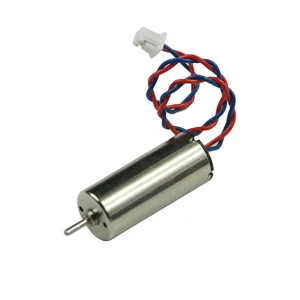
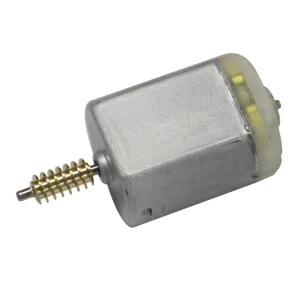
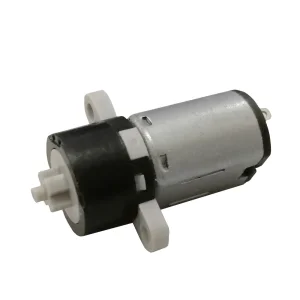
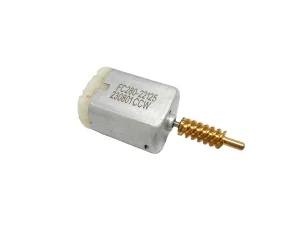
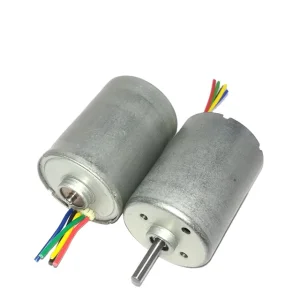
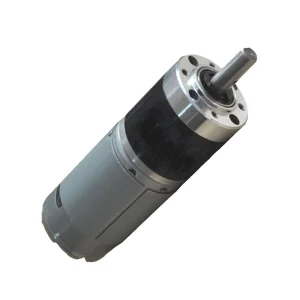
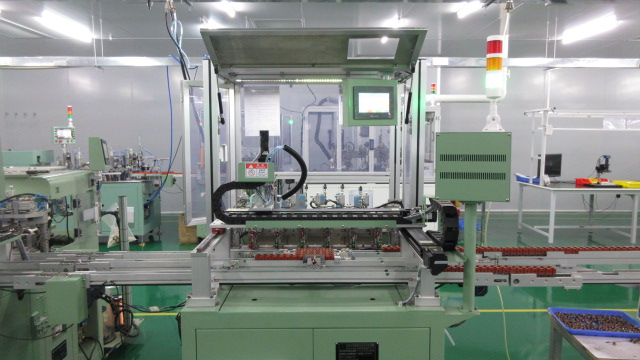
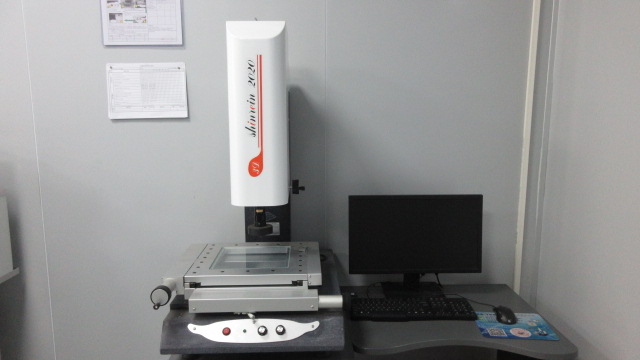
Inside a premium robotic joint, an automated medical valve, or a high-end smart lock, space is the ultimate luxury. At Precision Micros, we measure our manufacturing success in micrometers and decibels. Our mission is to take advanced, heavy-duty rotational power and compress it into the most compact, energy-efficient footprints imaginable.
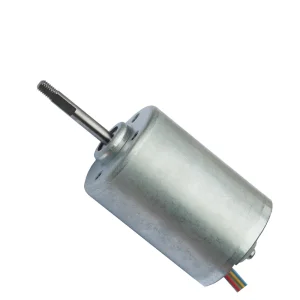
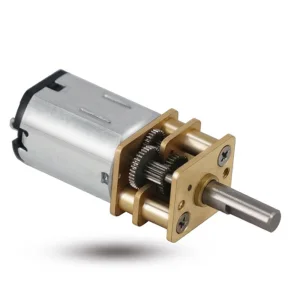
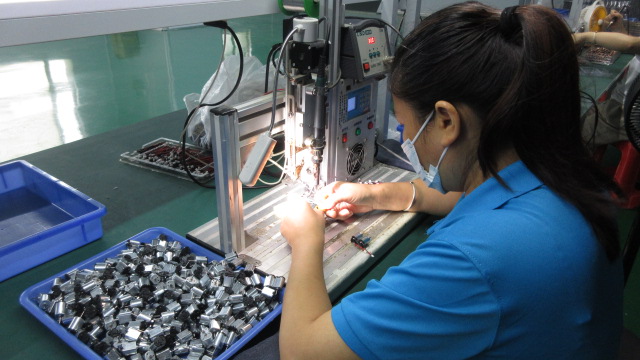
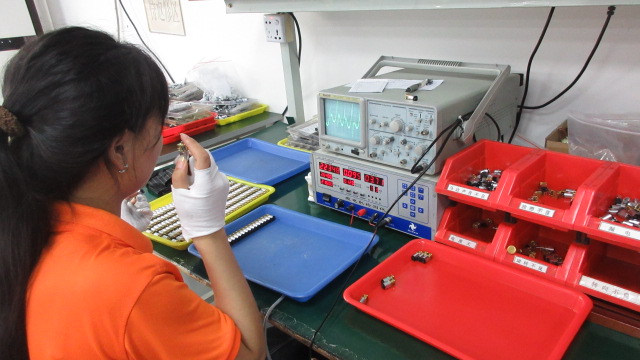
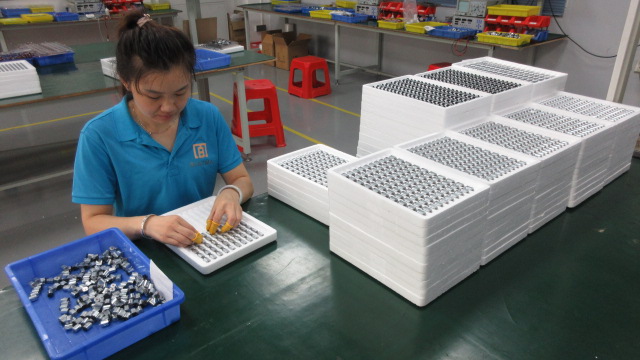
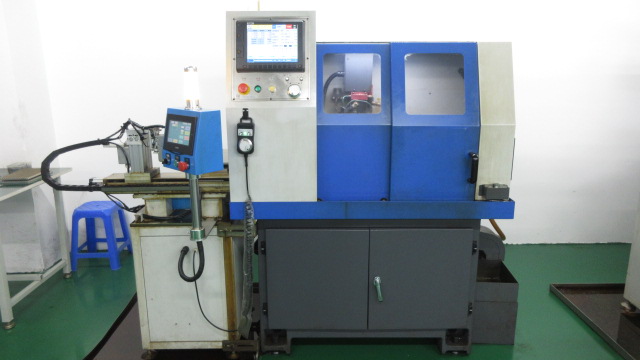
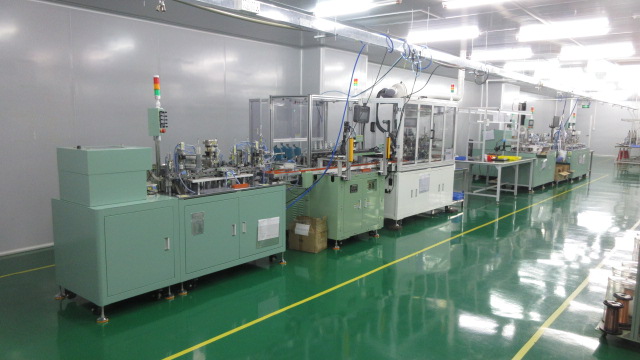
Our expertise lies in the micro-details of motion control. From precision-wound copper rotors and high-purity commutators to zero-backlash planetary gear trains, every single internal component of a Precision Micros motor is optimized to eliminate friction and maximize heat dissipation. By combining advanced automated Swiss-style hobbing with Japanese dynamic balancing, we ensure our micro drives deliver the fluid, whispering-quiet power your brand promises. When your next high-tech innovation relies on repeated mechanical perfection, let Precision Micros be the core that spins it forward.
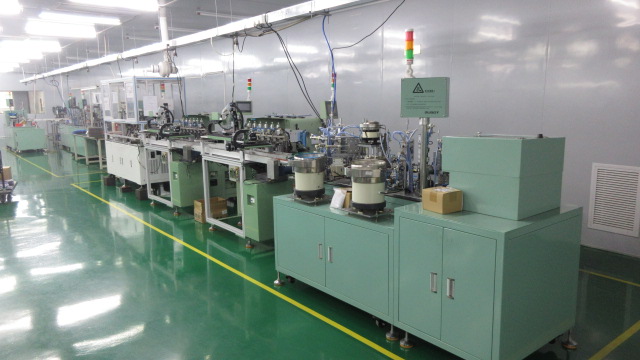
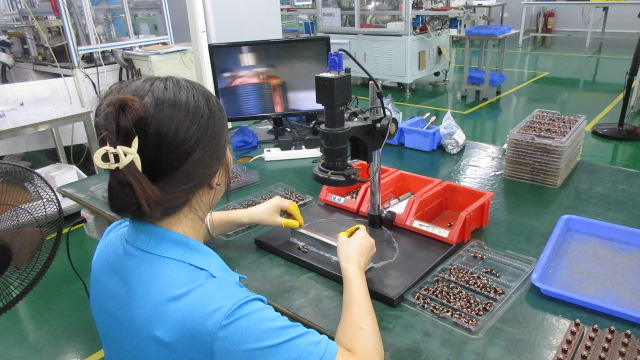
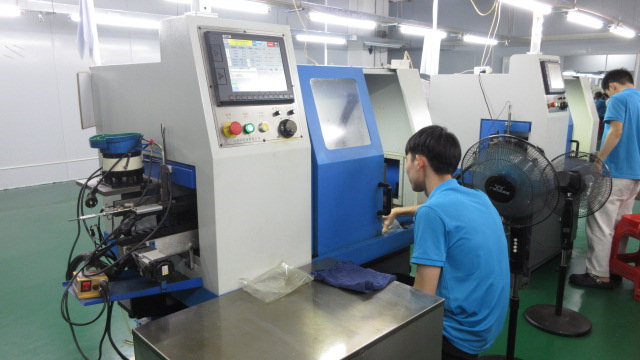

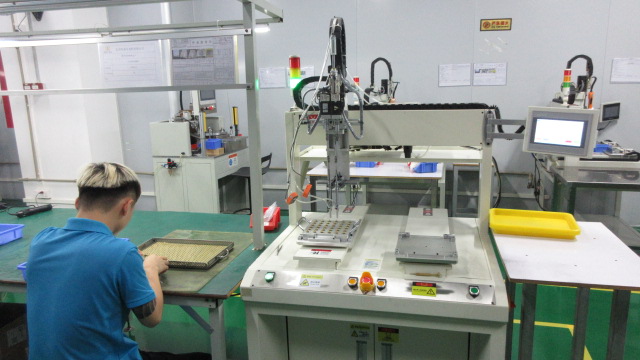
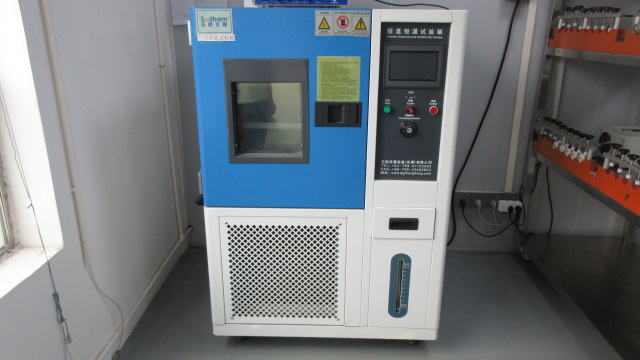
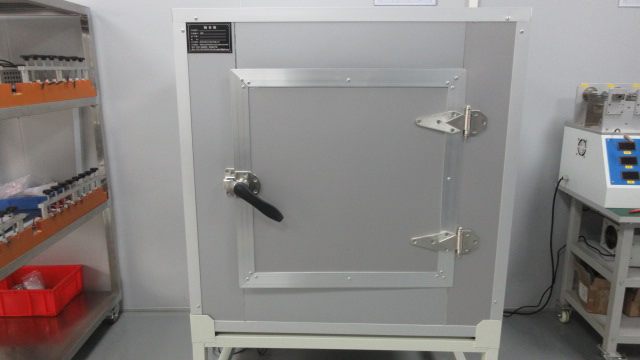
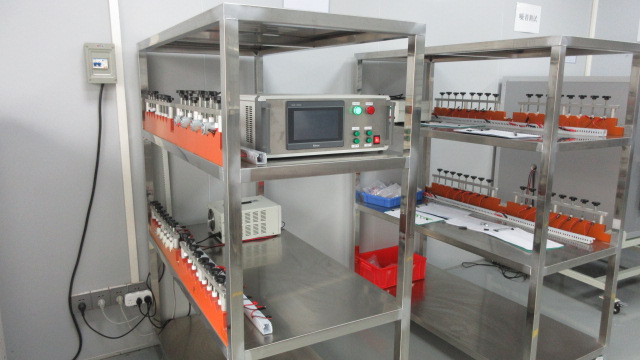
Where motion control is heading and how factories are adapting.
Transitioning from discrete motor-controller-encoder setups to All-In-One Frameless Motors. This reduces EMI and simplifies assembly for AGVs and Cobots.
Integration of AI-driven predictive maintenance directly at the motor level. Sensors monitor heat signatures and vibration patterns to predict failure before it occurs.
Usage of high-flux density Rare Earth magnets and superconducting materials to achieve 98%+ Efficiency in heavy industrial direct drive systems.
A curated list based on R&D capacity, market share, and technical innovation.
The gold standard in CNC and high-end industrial robotics. Their direct drive rotary tables are industry-leading for zero-backlash precision.
Specializes in high-torque industrial applications. Their Simotics series defines efficiency in large-scale direct drive systems.
A pioneer in frameless direct drive motors. Their Cartridge DDR technology combines the benefits of a housed motor with a frameless design.
Leaders in the micro-motion segment. Focuses on medical and consumer electronics where space-to-torque ratio is critical.
Focused on high-performance aerospace and defense. Their motors are engineered for extreme environments and mission-critical reliability.
Known for the MPP and MPW series, offering high torque density and diverse feedback options for industrial automation.
Renowned for their Sigma-7 series. Their direct drive solutions are celebrated for ease of integration and high resolution.
Focuses on modularity. Their IndraDyn series provides high-dynamic direct drive for printing and packaging industries.
Experts in customized solutions for medical, automotive, and aerospace sectors with a strong focus on cost-to-performance ratio.
Specializes exclusively in direct drive. Their products are synonymous with high-end semiconductor manufacturing and lithography.
Navigating the supply chain with confidence.
Localization Support: High-tier manufacturers provide on-site engineering support in major hubs (NA, EMEA, APAC) to assist with motor-drive tuning and integration.
Certification Standards: Ensure your factory complies with CE, UL, RoHS, and REACH. For medical applications, ISO 13485 is mandatory.
Supply Chain Stability: Look for factories with multi-source magnet procurement strategies to mitigate the volatility of Rare Earth element pricing.
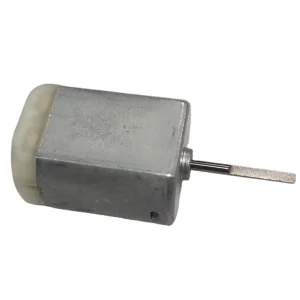
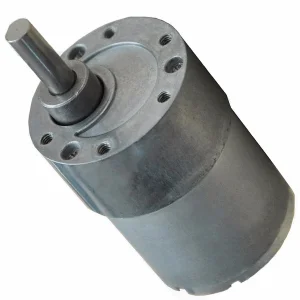
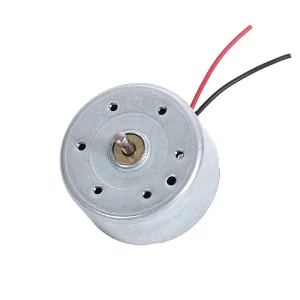
Direct from the factory: Certified high-performance DC and Brushless units.